













24.05.2012
TUI AG Logo TUI AG Logo
Deutsch  |   Sitemap  |   Contact

  • About us
  • Investor Relations
  • Media
  • Sustainable Development
  • Job and Career
  • Innovation
 
Investor Relations > The TUI Group > Market and Competition
Download page as PDF
Add page to PDF Folder
Print page E-mail a link to this page
Download page as PDF


  • The TUI Group
    • Group structure
    • Sectors
    • Market and Competition
    • Business model
    • Equity story and Strategy
  • IR News
  • Share
  • Bonds/Ratings
  • Financial Reports
  • Financial Key Figures
  • Presentations
  • AGM
  • Corporate Governance
  • Calendar
  • FAQ
  • Contact
TUI AG-Share
XETRA: 4.72 EUR
05/23/2012, 17:35
more…

TUI Travel PLC-Share
LSE: 163.80 GBp
05/23/2012, 17:35
 

Market and Competition

Market

The favourable economic framework in calendar year 2011 had a positive overall effect on global demand in the travel market. In the first eight months of 2011, international arrivals grew by 4.5%. Arrivals in Europe were also consistently up, by about 6%, in the first eight months of 2011. Due to the political unrest in Egypt and Tunisia, arrivals in North Africa and the Middle East declined by around 15% and around 9%, respectively (source: UNWTO, November 2011). For 2011 as a whole, the UNWTO expects the worldwide travel market to grow by 4 to 4.5%. The tourism markets, which started to pick up again in 2010, thus continues to recover.

The market for business and holiday hotels in Europe benefited from improvements in the economic environment during the period under review. Hotel occupancy and revenues per available room continued rising in Europe in financial year 2010/2011. By August 2011, hotel occupancy in Europe was up about 4% on the previous year (basis: year-on-year comparison of occupancy from January to August 2011). As demand picked up again, hoteliers in Europe were also able to increase the average room rates by over 3%. These two combined effects brought an increase in revenues per available room of around 7%. All regions in Europe recorded higher occupancy, albeit with some variations. With an increase in occupancy of around 5%, growth of 3% in average room rates and growth in revenues per available room of almost 9%, hotel operators in southern Europe benefited more than average from this development. The favourable pattern in the European hotel industry was attributable to improvements in the economic environment and the non-recurrence of special one-off effects, such as the volcanic eruption in Iceland in the spring of 2010, which virtually brought European aviation to a standstill in the previous year’s reference period (source: Global Hotel Review, STR Global, September 2011). In North Africa, the unrest in connection with the political and social changes resulted in lower hotel occupancy, as many holidaymakers chose alternative destinations in Spain, Greece or Turkey.

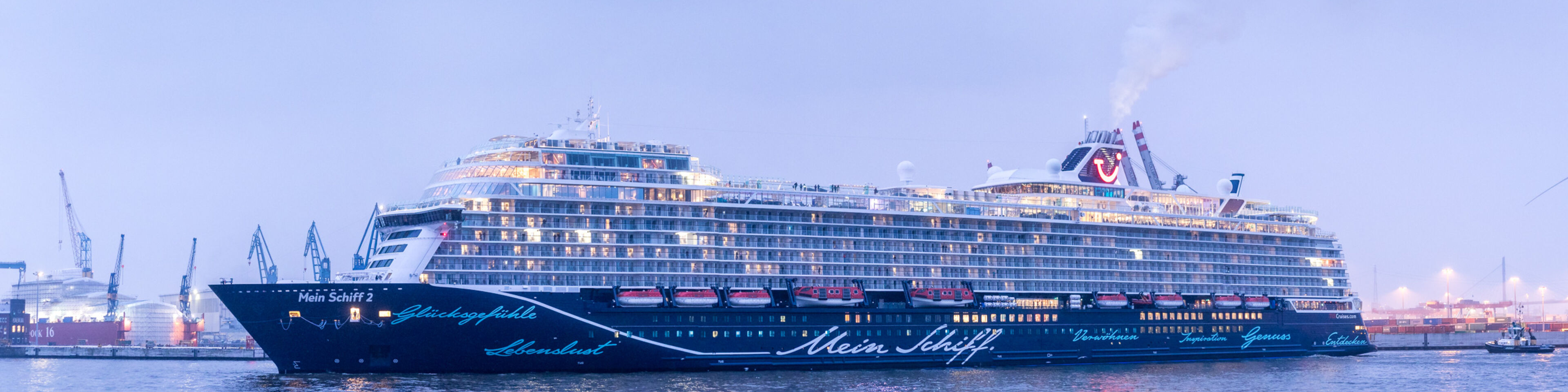
The European market for cruises remained a growth market. According to a study by the European Cruise Council (ECC: Statistics and Markets, April 2011), the number of European passengers on ocean cruises grew by around 10% year-on-year to 5.5m in 2010. The German ocean cruises market also grew disproportionately in this respect and again achieved record results in terms of passenger and turnover figures for 2010. Passenger volumes grew by 19% year-on-year to over 1.2m as against 2009. This growth was mainly attributable to the commissioning of new, additional ships in the volume market. For the future, the German ocean cruise market also shows strong growth potential: at 1.5%, market penetration is low in relation to the overall population compared with more mature cruise markets such as the UK, where this value is significantly higher at 2.5%.

Competition

Tour operators offering integrated and non-integrated business models competed with hotel companies, airlines and online agencies. Due to the political and social turmoil in some countries in the Middle East and North Africa in the winter and spring of 2011, capacities offered were withdrawn from the regions concerned and shifted to other destinations. In this environment, TUI Travel benefited from its strong market position and the flexible business model.

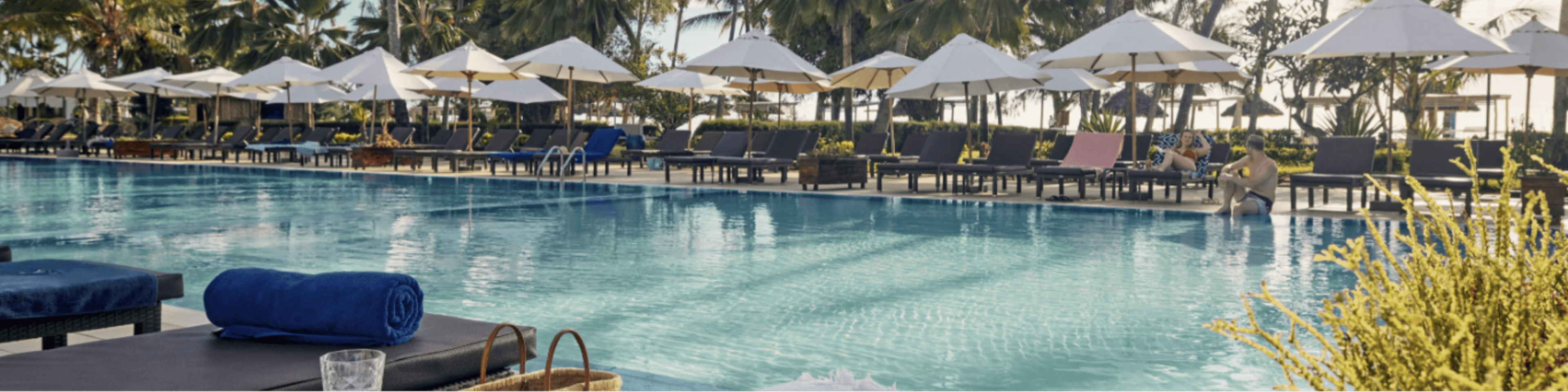
The competitive environment in the holiday hotel market continued to reflect the rising popularity of the all-inclusive approach and an ongoing trend towards golf, spa, wellness and health products. Customers’ awareness of environmental issues continued to play a major role. As the leading provider of holiday hotels in Europe, TUI Hotels & Resorts took account of these trends in developing its attractive portfolios.

The international ocean cruises market is dominated by a few large cruise companies. The German-speaking ocean cruise market comprises national and international providers. However, passengers travelling with German cruise companies account for almost 58% and thus a higher percentage than passengers travelling with international providers (DRV: Der Kreuzfahrtenmarkt Deutschland 2010; March 2011). The key cruise lanes in the German cruise market are the western Mediterranean, followed by Nordland routes and the eastern Mediterranean. In 2010/11, Hapag-Lloyd Kreuzfahrten remained the leading provider in the German premium and luxury segment for classical and expedition cruises. Cruises offered by TUI Cruises primarily address German-speaking customers aged 35 to 70 years.

© 2012 TUI AG
Imprint